

So You Think You Need A Parasite Cleanse
The Truth About Parasite Cleanses in Canada
Every year, after the hedonism of the holiday season, many people flock to their local health food store looking for cleanses to reset their system, cleanse their liver, and de-worm themselves. Cleanses, and parasite cleanses in particular, are unfortunately having a viral moment.

I work in a health food store, and almost daily, people come in seeking to do parasite cleanses.
Why do they think they have parasites? Usually, it’s because they saw a video online, and they feel tired, lethargic, and “off.”
They have not had a stool sample tested, but they are convinced that a harsh cleanse to purge themselves of unspecified parasites will make them feel better.
Sometimes that urge to purge deserves a second look.
Who Might Actually Have Parasites?
People who might actually have some kind of parasitic infection could include:
People who work with livestock or young children.
People who walk around barefoot outside on a regular basis.
People who do not have running water or indoor sanitation.
People who eat uncooked or undercooked meat.
People who have recently travelled to a warmer climate.
Of course, there are different parasitic organisms, and different kinds depending on where you live.
Three Common Parasites in Canada
Most people seeking a parasite cleanse are hoping to target intestinal worms, but these aren’t necessarily the most common forms of parasites found in this part of the world.
The most common parasitic infections in Canada include:
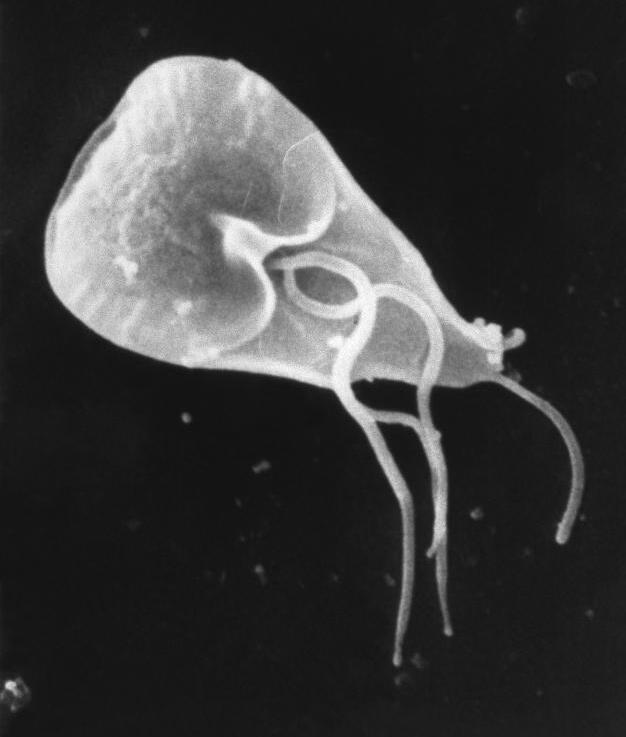
Giardia
The most common intestinal parasite in Canada is giardia, which is a protozoan, a single-celled organism, not a helminth or worm, which is visible to the naked eye.
Usually acquired by swimming in or drinking contaminated water.
Symptoms are often noticeable and include gas, diarrhea, dehydration, abdominal cramps, and nausea or vomiting. Most infections clear themselves within 1–2 weeks.
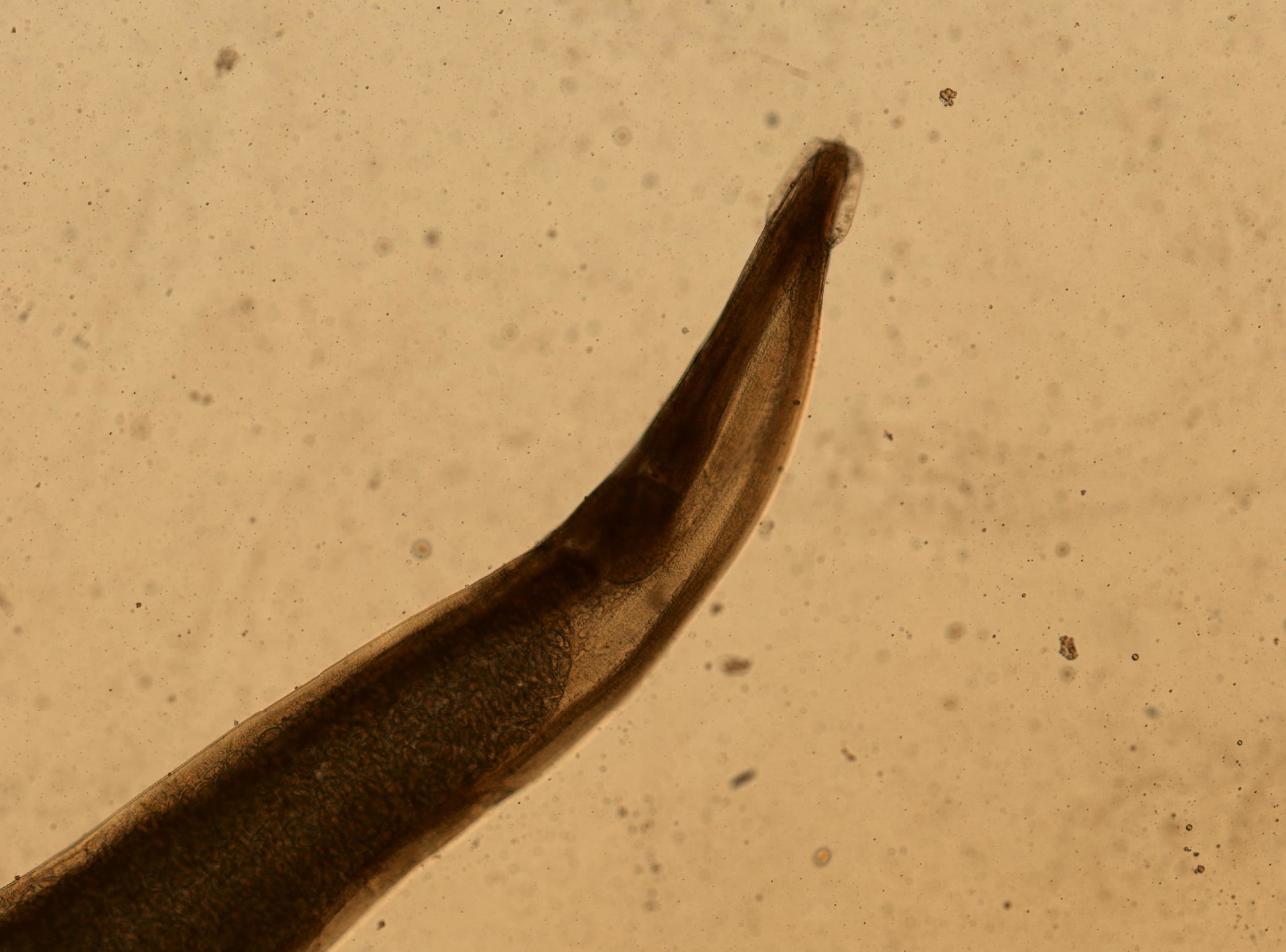
2. Pinworms (Enterobius vermicularis)
Especially common among young children. The most noticeable symptom is intense anal or vaginal itching, especially at night.
Pinworms are usually treated with an anthelminthic medication like mebendazole. Additionally, this might be a parasite where taking a parasite cleanse could be appropriate, albeit unpleasant.

3. Parasitic skin infections
Pictured here is the Human Louse. Yuck!
Lice (Pediculus humanus capitis)scabies (Sarcoptes scabiei), and fungal infections like ringworm (tinea corporis) are common parasites to encounter in Canada.
Parasitic worms or helminths are more common in tropical countries (although a changing climate will likely increase parasitic infections). The trichinella roundworm found in infected pork is uncommon in Canada due to food safety regulations and inspections.
It is important to note that parasite cleansing products in Canada, other than some homeopathic options, are not intended for children or pregnant individuals.
TL;DR?
Parasitic infections with intestinal worms are uncommon in Canada except in specific scenarios.
They can usually be treated more quickly and efficaciously with prescription medication, than with a harsh herbal parasite cleanse.
So What is in an Herbal Parasite Cleanse?
Parasite cleansing products available in Canada are usually combinations of antimicrobial and laxative herbs that stimulate bowel movements and are intended to be taken for short-term periods, usually two weeks at a time.
Some proponents will suggest taking the cleanse for 2 weeks, pausing for another 2 weeks, and then repeating the cleanse for an additional two weeks. This is supposed to kill adults and eggs of the (unspecified) parasite.
However, most people do not stick with this protocol for the full recommended period, because it is both unpleasant and expensive.
Black walnut and wormwood are two herbs that are in most herbal parasite cleanses. People often ask about one or both of these herbs, creating their own formulas or protocols for parasites.
Wormwood (Artemisia absinthium)
Wormwood is a wonderful bitter herb in the Asteraceae family.
Like all bitters, it stimulates the flow of digestive juices, and has historically been used for depression, as well as roundworm and pinworm infections. It is a low-dose herb (David Hoffman suggests 1–4 ml of the tincture 3x/day). The monoterpene thujone, present in wormwood’s volatile oil, is toxic in high doses, and is an abortifacient.

Wormwood is native to temperate climates in Europe and Asia, and grows as a perennial herb in Canada. It has tall stems of unassuming yellow-white flowers, and beautiful silvery segmented leaves.
Black Walnut Hull (Juglans nigra)
The green or unripe hulls of the black walnut tree are usually the other main herb in parasite cleanse formulas. Black walnut hulls are both slightly laxative, and full of tannins, which create an astringent and drying effect, as they bind to proteins and other organic compounds.
Think of the mouthfeel of a cup of strong black tea or an unripe banana, and you’ve experienced tannins in action.

You will also often see cloves, garlic, thyme, oregano, and other antimicrobial herbs in formulas. These herbs are wonderful spices to add to food and contribute greatly to digestion.
Binders Are Overpriced Fibre
Finally, people also want “binders” with their parasite cleanse, because supposedly as parasites die, they need to be bound up so their dead bodies and toxins don’t remain in your system, and you excrete them in your stool. Common binders requested are activated charcoal, zeolite, or psyllium husks.
Frankly, if you ask this community herbalist, binders are a marketing term to sell you unnecessary and sometimes harmful adsorbents (materials that capture molecules on their surface) or soluble fibre at a high price. Most of us could stand to eat more fiber and improve our digestion.
However, there are many gentler and easier ways to improve digestion and normalize bowel movements without following an intensive parasite cleanse protocol, and that is where I try to encourage people to start.
Slow Down Before Jumping on a Parasite Cleanse
If you truly suspect you or your child has a parasitic infection, talk to a doctor or a pharmacist and get a stool sample tested. If there is actually something there, it can usually be treated more quickly, safely, and effectively with the appropriate medication than with a harsh herbal parasite cleanse. Additionally, parasite cleanses, like all herbal formulas, work best if they are specific and targeted.
If you are tired, foggy, bloated, constipated, run-down, stressed, or just feeling “off,” a parasite cleanse is unlikely to be the magic answer.
Winter fatigue is real. Poor sleep is real. Stress is real. Nutrient depletion is real. Long COVID is real. Climate anxiety is real. Late-stage capitalism is real. Many of us are under-rested, under-nourished, and over-stimulated.
As a community herbalist, I am much more interested in what we can add in than what we can strip away.
Are you drinking enough water?
Are you having regular bowel movements?
Are you eating enough fiber? Enough iron? Enough B vitamins?
Are you sleeping? Resting? Slowing down at all?
Sometimes the instinct to purge is really an instinct to reset. And sometimes a reset looks less like a harsh herbal parasite cleanse and more like nourishment, warmth, and support.

From an energetic perspective, winter is a time of storage, not depletion.
I
t is not the season for aggressive purging. It is the season for broths, root vegetables, warming spices, and early bedtimes. For building up, not tearing down.
Parasites exist. Herbal medicine has a long history of treating them. But fear-driven cleansing, especially in the dead of winter, is not always the most grounded or evidence-based approach.
Slow down before you start that parasite cleanse. You might need rest more than wormwood.
Next Up in Part 2:
The cleansing conversation: bowel movements, winter seasonality, and the history of purging. Stay tuned!