

Spring: A Gorgeous Time for a Gentle Cleanse
Spring Cleansing
In my last post on cleansing, I gave an overview of parasite cleanses and why the dead of winter is not the best time to cleanse.
Spring, however, is the traditional time to do a cleanse, as reflected in herbal traditions around the globe. The energy is shifting from the slow, sleepy deep winter to the vibrant and sometimes frenetic growth of new life. All the things we have been holding onto all winter (including weight) are ready to be released.
Our elimination organs (in particular the liver) could use a bit of support and nourishment, especially if we’ve been eating heavier foods all winter along (think root vegetables, hearty stews, perhaps more meat and sugar).
The food we crave in the spring changes: we start wanting fresh, crunchy salads and greens instead of hearty thick stews. Eating with the seasons, and following that craving for fresh greens is an excellent way to gently support our elimination organs in their daily cleansing work.
Your Elimination Organs
But what exactly are most people trying to cleanse when they talk about doing one?
Let’s talk briefly and very simply about your elimination organs and waste removal systems in the body. Your elimination organs include your liver, kidneys, skin, large intestine and lungs. Your lymphatic system also plays a major role in waste removal.
The liver is responsible for metabolising (or processing into forms the body can use) lipids, carbohydrates and proteins; storing vitamins and minerals (specifically A, B12, D, E, and K, and the minerals iron and copper); activating Vitamin D; and removing drugs, hormones and wastes from the body partly by creating bile salts that break down fats.
The kidneys filter blood of urea and other waste products; control blood pH as well as blood volume and pressure; and regulate electrolyte levels.
Your skin secretes excess water, salts and some urea. The large intestine collects and disposes of wastes and excess water. And your lungs excrete carbon dioxide, a gaseous waste.
Additionally, the lymphatic system (while its’ main function is as part of your immune system) is responsible for draining fluid from tissues and returning it to the blood; removing some waste products, as well as bacteria, viruses, toxins and old or abnormal cells; and absorbing fats and vitamins and absorbing them into the blood stream.
Together, your elimination organs “detox” your body every day (and night), but we can give them a helping hand in their work.
Easy Daily Ways to Support Your Elimination Organs
While spring is the energetically appropriate time to cleanse, there are easy things you can do every day all year round to support your elimination organs.
Drink adequate water: this is crucial to kidney health and the proper functioning of all your organs, as well as being necessary for stool formation and waste removal
Eat a variety of bitter foods, including dark leafy greens. The bitter taste stimulates the flow of all digestive juices, including bile, helping your digestive system more effectively break down foods
Eat seasonally! In deep winter, prioritize hearty nourishing well-cooked stews; eat fresh fruits and vegetables liberally during the summer when they are seasonally available.
Get good sleep, including not eating food more than a few hours before bed if possible. Having undigested food in your stomach overnight can lead to feelings of sluggishness in the morning. In addition, while you are sleeping, waste products are also being removed from the brain
Move your body daily: lymph is moved manually, either through physical activity or massaging the lymph nodes and vessels
We should be supporting our elimination organs throughout the seasons, not just doing intensive cleanses once or twice a year. I have several issues with the ways cleanses are promoted and embarked upon in wellness culture.
Some Background Notes/ My Philosophy on Cleansing
I am planning to do a gentle cleanse this spring, but as an eating disorder (ED) survivor, I often find marketing and discussions around cleansing to be both triggering and possibly harmful.
Many cleansing protocols focus on restricting foods, which gets my back up immediately, because I see how often disordered eating can masquerade as a focus on healthy eating: the line is much less clear than it should be.
Additionally, I hate when people describe food as “dirty” or clean”: foods are morally neutral.
Many cleanses (especially parasite ones) focus on purging, restriction and elimination, which can not only be damaging to the body but is also I think a reflection of our culture’s puritan and even eugenicist history and ideals.
A focus on bodily purity and purging or labelling foods as “dirty” or “clean” very easily translates to a focus on purity and purging dirty elements (think: people) from the nation state. The obsession with clean eating and cleansing is part of what primes people immersed in wellness culture for fascism (more on that in a later post).
When talking to people about cleansing, I like to encourage them to focus on what they can add, instead of what’s being taken away.
For example, how can you add more nutrition to what you’re eating? One of my favourite tools for this is healthy sprinkles. Adding toppers to your meals like sesame seeds, dulse, nuts, herbs and spices can add nutrition and flavour.
How can you drink more liquids in interesting ways? What kind of herbal teas get you excited and hydrated? I plan to go hard with green tea (caffeinated and non-caffeinated) during this cleanse.
I also have no interest in restricting calories or being hungry during my upcoming cleanse. I find a lot of the information about fasting contradictory and again, flirting with disordered eating. I would much rather have stable blood sugar and be satiated with nutrient dense vegetables, proteins, fats and whole grains.
I am also not planning to be overly restrictive to the point of misery: I want to enjoy my life and my food. The plan is to focus more on eating fruits, vegetables, plant-based proteins and nourishing herbal teas while using the Wild Rose Herbal D-Tox kit for 12 days, formulated by Terry Willard (not a sponsor, I just respect his work and his formulas). I will try to reduce my consumption of bread, dairy, caffeine and cannabis but also not beat myself up when I inevitably slip up- or when I want to consume some of these foods I enjoy.
If there is interest, I may write an update on how the cleanse goes. I am excited to work with many herbs through this cleanse. Let’s discuss a few of my favorites.
Let’s talk Plants and Cleansing
Think about the first plants that awaken in the spring: the mineral rich leafy greens like stinging nettles and dandelion leaves; the cooling moistening sweet and nourishing plants like sweet violet and cleavers; and the roots like dandelion, burdock and yellow dock that are unearthed this time of year.
I will focus briefly on a few gentle herbs for spring cleansing
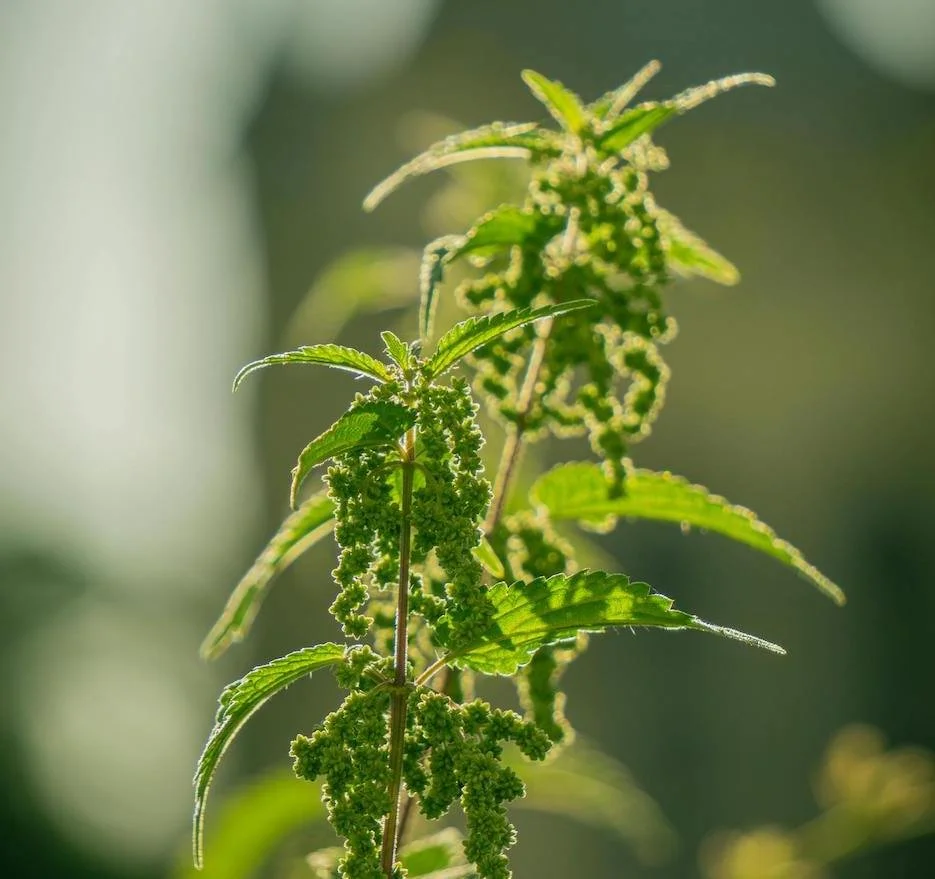
Stinging Nettles (Urtica diocia)
I love when herbs are also used as food, and nettles are an excellent example of this. Nettles are extremely mineral rich. They are high in calcium, magnesium and iron as well as vitamins A, C and some B vitamins. They also have a diuretic effect, strengthening the urinary system including the kidneys. Nettles are energetically salty (mineral rich), cooling and drying.
I like stinging nettles best as a strong herbal infusion, or an infused vinegar. You can steep the nettles in hot water overnight and drink throughout the next day (I find nettle tea tastes better cold). Stinging nettles are one of the first plants we see in the spring: their little purple new leaves peek out of the ground as soon as the snow is gone (or sooner) and I’m always so happy to see them.
Dandelions (Taraxacum officinale)
All parts of the dandelion are edible. The young greens are a very nutritious bitter herb, stimulating the flow of digestive juices including saliva, bile and an increase in digestive enzymes. The leaves contain calcium, phosphorus, carotene, potassium and a surprising amount of inulin, a prebiotic fibre also found in the roots. The leaves are also strongly diuretic, increasing urination. The french name for dandelion is pissenlit (piss the bed).
The root of dandelion is also full of nutrients and gently stimulating to the liver, as well as being high in inulin, a starchy prebiotic fibre that feeds your gut bacteria. Dandelion is both cooling and drying, a commonality with many cleansing herbs (making adequate hydration even more important).
I like eating young dandelion leaves, taking a whole plant tincture or making a decoction of the root.
Burdock (Arctium lappa)
Burdock is another food herb (it is particularly popular in Japan). It is also one of my favourite skincare herbs, taken internally it helps with eczema, psoriasis, acne and boils and other inflamed skin conditions. Part of how herbalists think this works is through its modulating effect on sebaceous glands.
Burdock is also considered an alterative herb, which broadly means “blood cleansing”. Another way to describe alternatives is that they alter overall health in a positive and usually gentle way, often through supporting our elimination organs. Burdock is supportive to the liver and kidneys, but also the skin. It is also a gentle herb.
I like a tincture of burdock root, it pairs well with dandelion for gentle spring cleansing as part of a bitters blend.
There are several other popular herbs for spring cleansing, but nettles, dandelion and burdock are a few of my favourites.
To Summarize
Your main elimination organs are your liver, kidneys, skin, large intestine, lungs. The lymphatic system also is important to removing wastes from the body
Spring is the traditional time of year for cleansing, but you can support the body’s detoxification systems all year round by drinking lots of water, getting good sleep, eating bitter leafy greens, and being physically active
Harsh purges and overly restrictive eating can be hard on the body: gentle is better
Some gentle and nourishing spring herbs for cleansing are stinging nettles, dandelion and burdock
Stay tuned for future posts about my experience with spring cleansing, as well as the history of purging and cleansing, and its connection to fascism
Resources
https://www.eatweeds.co.uk/stinging-nettle-urtica-dioica
https://www.herbalremediesadvice.org/dandelion-herb-benefits.html
Healing with the Herbs of Life, Lesley Tierra (2003).