

What Does an Herbalist Actually Do?
What Does an Herbalist Actually Do?
Glad you asked. The answer to that question is simple, yet nuanced: it depends. A person’s plant path is as unique as someone’s energetic constitution, their response to a remedy, or their relationship to a plant at any given time.
First of all, what inspires someone to become an herbalist?
A Calling
Some herbalists feel an almost mystical calling or connection to plants, often starting from an early age. I have felt at home among trees and green ones for as long as I can remember. As a child, I played outside near daily, collecting pineapple weed from the driveway, making potions and mixes, and making friends with trees.
Healing Personal Illness
Others find their way to herbalism through healing an illness or health issue with plant medicine. In my early 20s, I experienced what I’ll call a “crash out” after a few years of what was likely untreated bipolar mania.
My immune system abruptly malfunctioned: I caught every respiratory illness that went around, and had near constant hay fever symptoms all year round.
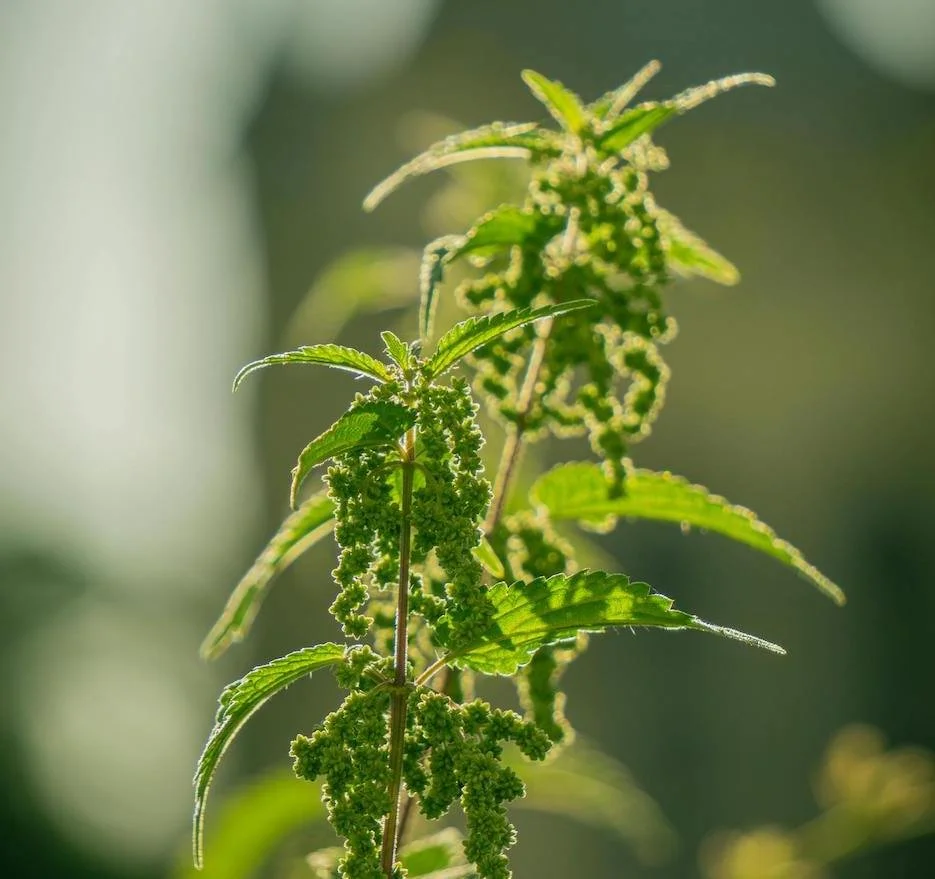
Through working with herbs (especially stinging nettles <3) and making diet and lifestyle changes, I was able to heal my immune system malfunction.
While I always knew that I loved plants and nature, figuring out how to make a living as an herbalist has been (and continues to be) challenging.
Here are 6 road stops along my personal plant path: these all describe largely what herbalists do, from growing and selling to consulting.
Making and Selling Herbal products
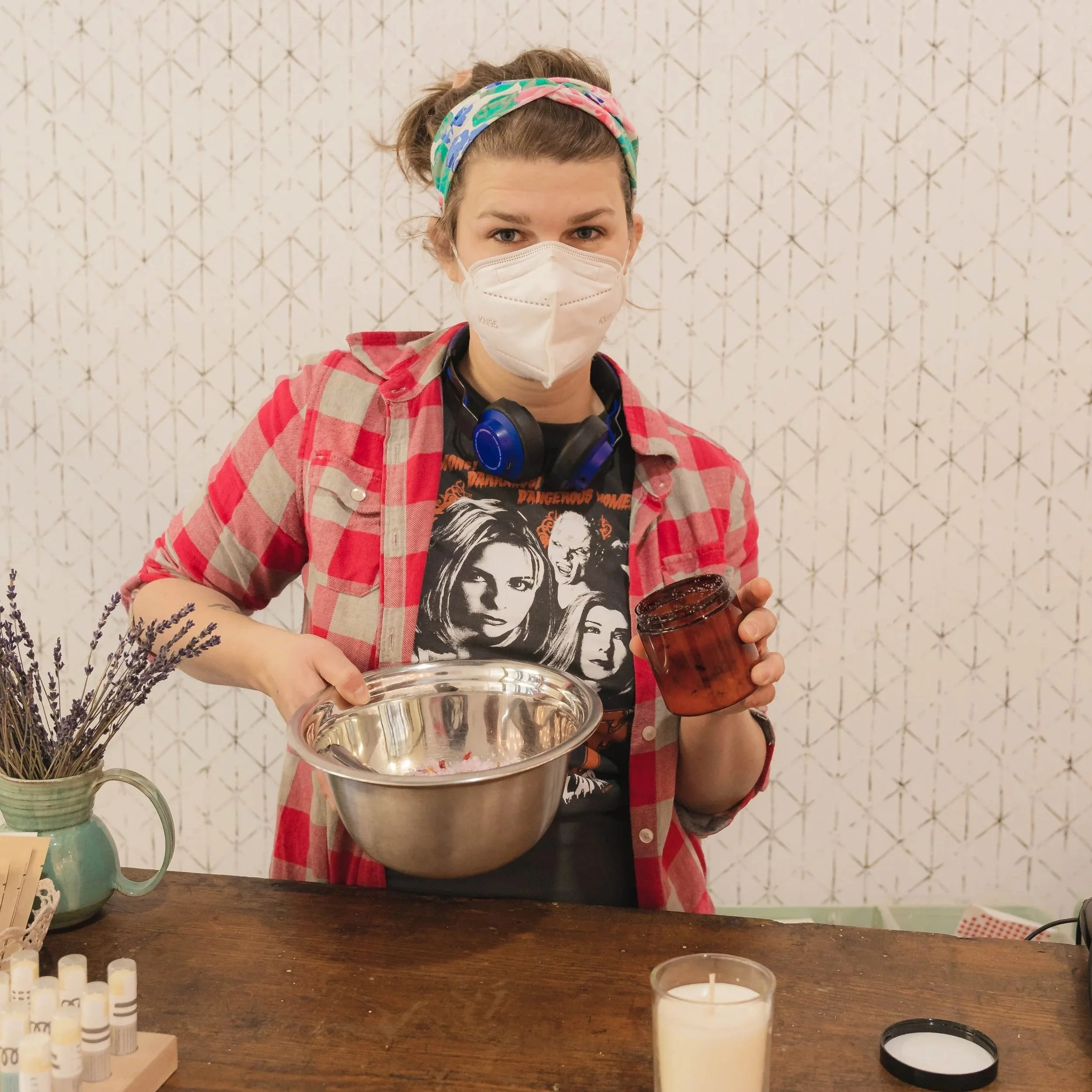
Herbalists love to tinker, create and use their hands. Infusing herbs into oils and making beautifully scented balms, blending and tasting different combinations of plants, experimenting with extraction methods: potion crafting.
I have worked for other companies and for myself making products (especially skincare) for years, and love working with my hands, following recipes and good manufacturing practices, and creating new products.
Selling the products you make is another beast altogether though. Farmer’s markets and craft fairs offer an incredible opportunity to connect with people one-on-one and really get your product into the hands of people who value your efforts: they’re so much work but they’re also a lot of fun. I also have a webstore where I sell most of my products, and have had them in retail locations as well.
2. Horticulture and Landscaping
Herbalists love to use their hands and touch live plants. I have been fortunate to work at some truly stunning gardens of national significance. Gardens that are meant to be enjoyed by the public, civic spaces of beauty and history: there is a lot of satisfaction in tending these places, and you get to be outside all day (and in all weathers). Of course a background in herbalism isn’t actually required to work in these places (pursuing a degree or college program in horticulture makes more sense for these jobs), but it is a way to be gainfully employed working day in day out with your hands in the plants.
3. Community Herbal Education: Plant Walks and Workshops
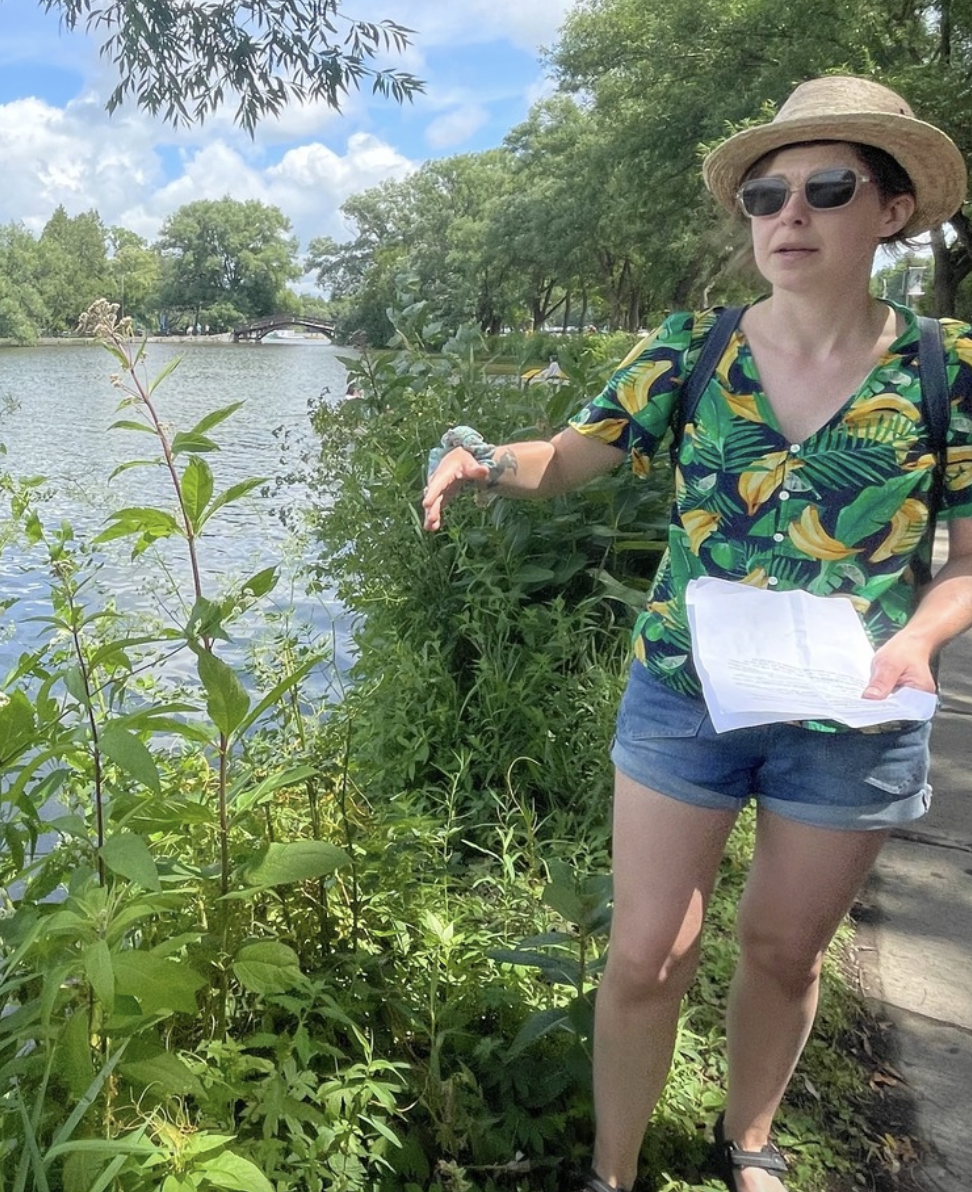
Herbalists love knowledge and learning, and love to share what they’ve learned. I love running maker workshops where participants go home with a beautiful herbal product they’ve created or running plant walks where I introduce people to plants growing in their immediate environment.
Lately I love hosting tea parties and using them as learning opportunities. Many herbalists have found success offering some form of online education as well. The constant learning is one of my favourite things about plants and plant medicine.
4. Working in a Natural Health Food Store
Herbalists love talking about plants, health and food. With the growing popularity of herbal medicine and alternative therapies, educated herbalists who understand herb-drug interactions, nutrition and herbal remedies will always be useful. Working in the supplements department of a natural health food store, I get to help people with their health inquiries and challenges, as well as combat dangerous misinformation.
5. Growing, Harvesting and Drying Herbs
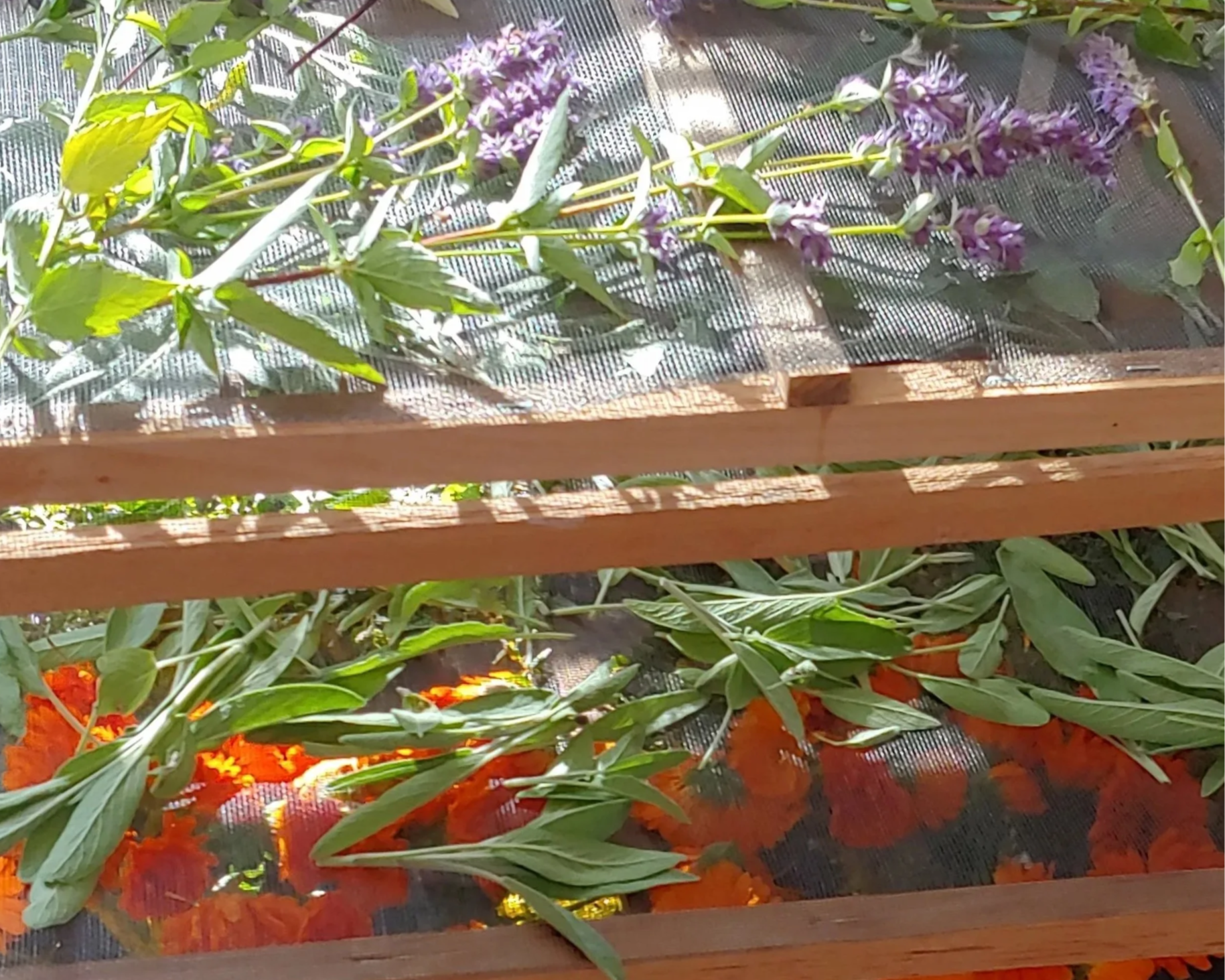
Herbalists love growing and tending plants. Sustainably grown herbs are so important, especially as plant medicine becomes more popular, and some of our most potent medicinal plants are at risk or even endangered.
Growing for your own private practice, for sale at scale, or for small batch product making as I’m doing are all options. Even growing herbs for your own private kitchen and use can be tremendously rewarding, and there is no better way to get to know a plant.
6. Private Herbalist Practice
Finally, above all, herbalists want to help people feel well! Most herbalists will incorporate some form of private practice into their offerings, seeing clients one-on-one and offering individualized health advice, including diet and lifestyle recommendations, and often herbal formulas. This is what most people think of when they think of herbalism, and it is indeed what most herbal training consists of.
While I am clinically trained, seeing clients is not currently part of my offerings. The skills gained through a clinical herbal education are ones that I use daily in my work in a natural health food store.
Final Thoughts on What Herbalists Do
There are many ways to make a (modest) living as an herbalist. My personal plant path has been winding but rewarding, and I hope to continue learning and exploring. And of course, you can be an excellent herbalist without making it your primary source of income.
I hope this trip down my personal plant path was interesting, and I wish you joy and wonder on your own personal journey with plant medicine.